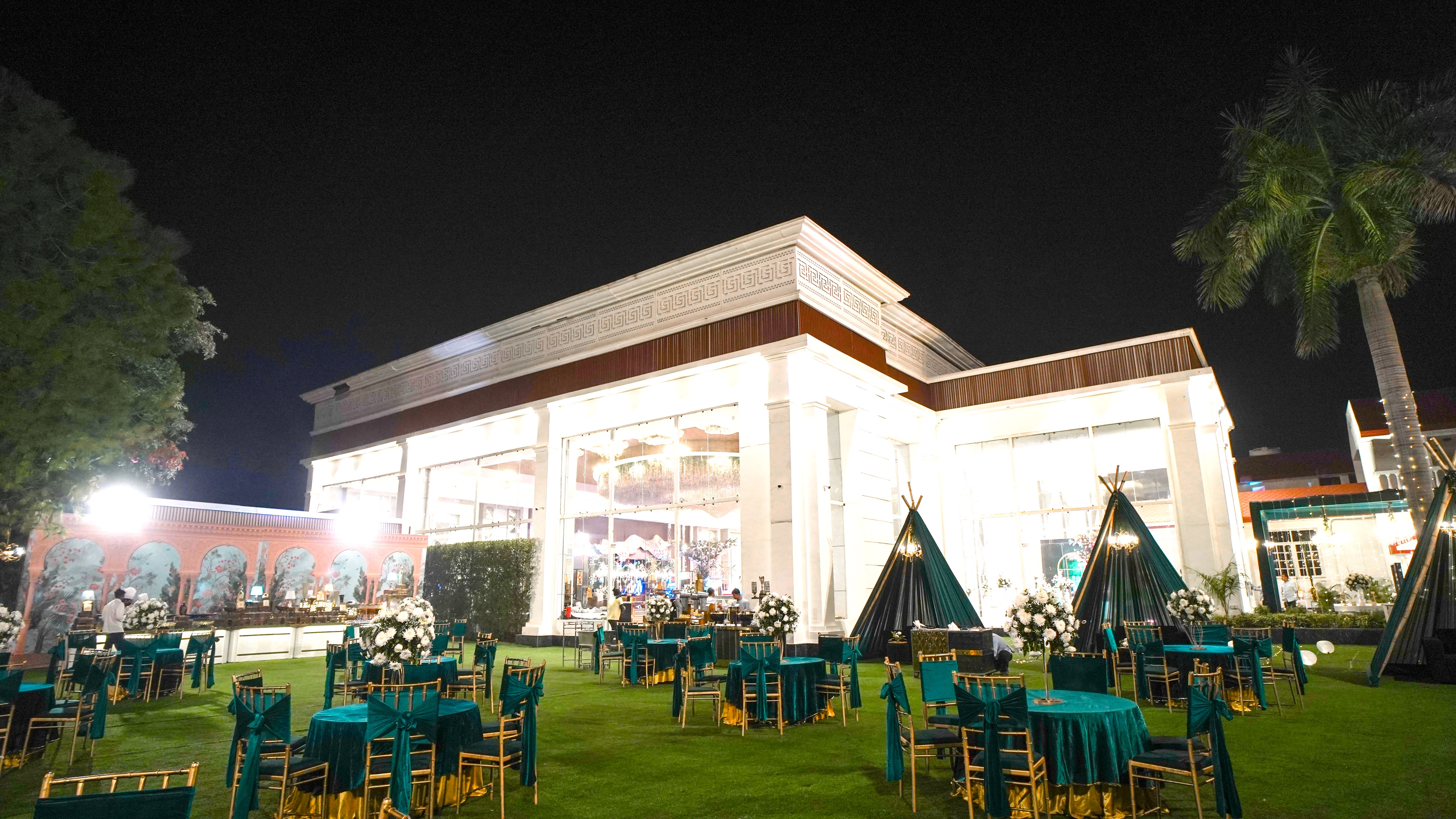
Delhi weddings are legendary — grand, vibrant, and deeply rooted in centuries-old traditions. Whether you're planning a wedding at Tivoli Bijwasan or attending one as a guest, understanding Delhi's wedding culture enriches the experience. This guide explores the rituals, music, traditions, and etiquette that define celebrations in the capital.
The Delhi Wedding Difference
What Makes Delhi Weddings Unique
Delhi weddings are characterized by:
- Scale: Guest lists often exceed 500, with elaborate multi-day celebrations
- Grandeur: Lavish décor, designer wear, and premium catering
- Tradition-Modern Blend: Ancient rituals with contemporary twists
- Family Involvement: Extended families play active roles throughout
- Status Display: Weddings often reflect family prestige and social standing
The Multi-Day Celebration
A typical Delhi wedding spans 3-5 days with distinct events:
- Roka/Sagai: Engagement ceremony (sometimes months before)
- Mehendi: Henna application and ladies' celebration
- Sangeet: Musical night with performances
- Haldi: Turmeric ceremony for purification
- Wedding Day: Main ceremony — Baraat, Pheras, Vidaai
- Reception: Post-wedding celebration, often grander than wedding
Pre-Wedding Rituals
Roka & Engagement (Sagai)
The formal announcement of the alliance. The boy's family visits the girl's home with gifts (traditionally including sweets, clothes, and jewelry). The couple exchanges rings, and the families bless the union. In Delhi, this has evolved into a grand event at hotels and banquet halls.
Mehendi Ceremony
Usually held 1-2 days before the wedding, Mehendi is a ladies-only celebration where the bride's hands and feet are adorned with intricate henna designs. Professional Mehendi artists create elaborate patterns, sometimes taking 6-8 hours for bridal Mehendi. The ceremony features folk songs (giddha), dance, and light refreshments.
Sangeet Night
The most anticipated pre-wedding event, Sangeet is an evening of music, dance, and revelry. Key elements include:
- Choreographed Performances: Family groups from both sides perform rehearsed dance numbers
- Couple Dance: The bride and groom often perform together
- Professional Entertainment: DJs, live bands, or celebrity performers
- Theme Décor: Elaborate stage setups and lighting
Haldi Ceremony
Held on the morning of the wedding, Haldi involves applying a turmeric-sandalwood paste (ubtan) to the bride and groom (at their respective homes). This traditional beauty treatment is believed to purify and bring a glow to the couple. The ceremony is intimate, with close family members participating.
Wedding Day Rituals
Sehra Bandi
Before leaving for the wedding, the groom's sister ties the sehra (floral veil) on his forehead. This ritual protects the groom from evil spirits and symbolizes the sister's blessings.
The Baraat
The groom's grand procession to the bride's venue is the most iconic element of Delhi weddings. The groom, mounted on a decorated horse (or luxury car), leads a procession of dancing family and friends. A live band plays Bollywood songs, and fireworks light up the sky. The Baraat typically takes 1-2 hours and culminates at the venue's main gate.
Milni Ceremony
At the venue entrance, corresponding relatives from both families meet and exchange garlands. Each pair (fathers, then uncles, etc.) attempts to lift each other off the ground in a playful competition, accompanied by cheers and laughter.
Jaimala (Varmala)
The bride and groom exchange flower garlands, symbolizing mutual acceptance. This often involves playful competition, with friends lifting the couple to make garland exchange challenging.
The Pheras
The central wedding ritual — seven circumambulations around the sacred fire (Agni), each representing a vow. The couple takes these vows in the presence of Agni as witness, binding them for eternity. The Sanskrit mantras chanted during Pheras have been performed for thousands of years.
Sindoor & Mangalsutra
The groom applies vermillion (sindoor) to the bride's hair parting and places the mangalsutra (sacred necklace) around her neck, completing the marriage ceremony.
Vidaai
The most emotional moment — the bride leaves her parental home. She throws rice over her shoulder, symbolizing returning prosperity to her birth family. There are rarely dry eyes during this ritual.
Delhi wedding ceremony timeline
| Ceremony | Duration | Key Elements | Typical Timing |
|---|---|---|---|
| Mehendi | 4-6 hours | Henna, folk songs, dance | 2 days before wedding |
| Sangeet | 4-6 hours | Music, choreography, entertainment | 1 day before wedding |
| Haldi | 2-3 hours | Turmeric application, family rituals | Morning of wedding |
| Baraat | 1-2 hours | Procession, band, dance | Evening before ceremony |
| Wedding Ceremony | 2-4 hours | Milni, Jaimala, Pheras, Vidaai | Wedding night |
| Reception | 3-5 hours | Dinner, entertainment, photos | Day after wedding |
Music & Entertainment
Traditional Wedding Music
- Shehnai: The auspicious oboe-like instrument played during ceremonies
- Dhol: The heart-pounding drum essential for Baraat and celebrations
- Folk Songs: Traditional wedding songs (shaadi geet) sung by women
- Bhajans: Devotional music during religious ceremonies
Modern Wedding Entertainment
- DJ & Sound: Professional DJ setups with lighting and effects
- Live Bands: Bollywood and popular music performances
- Choreographers: Professional dance choreography for family performances
- Celebrity Performers: Popular at high-budget Delhi weddings
Popular Delhi Wedding Songs
No Delhi wedding is complete without classics like "Mehndi Laga Ke Rakhna," "Mera Laung Gawacha," "Dil Le Gayi Kudi Gujarat Di," and contemporary Bollywood hits.
Wedding Attire & Fashion
Bridal Wear
Delhi brides typically wear:
- Lehenga: The preferred choice — heavily embroidered in red, maroon, or pink
- Saree: Traditional option, especially Banarasi silk
- Jewelry: Heavy gold, Kundan, or Polki sets
- Accessories: Maang tikka, nath, bangles, payal
Groom's Attire
- Sherwani: The quintessential Delhi groom's outfit
- Indo-Western: Modern fusion options gaining popularity
- Pagdi/Safa: Traditional turban, often matching bridal outfit
- Mojaris: Traditional embroidered footwear
Guest Dress Code
- Women: Sarees, lehengas, or designer suits for weddings; lighter outfits for Mehendi/Haldi
- Men: Kurta-pajama, Nehru jackets, or suits for evening events
- Colors: Avoid white (associated with mourning) and red (reserved for bride)
Celebrating Delhi Weddings at Tivoli Bijwasan
Tivoli Bijwasan has hosted thousands of Delhi weddings, and our team understands every nuance of local traditions. We offer:
- Ceremony Spaces: Dedicated areas for Haldi, Mehendi, Pheras, and Reception
- Baraat Entry: Grand entrance with band and fireworks coordination
- Traditional Catering: Authentic Delhi wedding menus with live counters
- Vendor Coordination: Pandit, decorators, entertainers, photographers
- Cultural Expertise: Staff trained in wedding customs and protocols
Plan your wedding with us — see our wedding venue guide.
“The Tivoli team understood exactly what we wanted for our traditional Delhi wedding. From the grand Baraat entry to the emotional Vidaai, every ritual was executed perfectly. They even coordinated with our pandit to ensure the sacred fire area was set up exactly as per tradition.
Frequently Asked Questions
Complete Guide to Bijwasan & Local Area
Wedding Venues at Tivoli Bijwasan
Local Culture Around Tivoli Bijwasan
Wedding Shopping Near Bijwasan
Ready to make your celebration unforgettable?
Celebrate Your Delhi Wedding at Tivoli Bijwasan