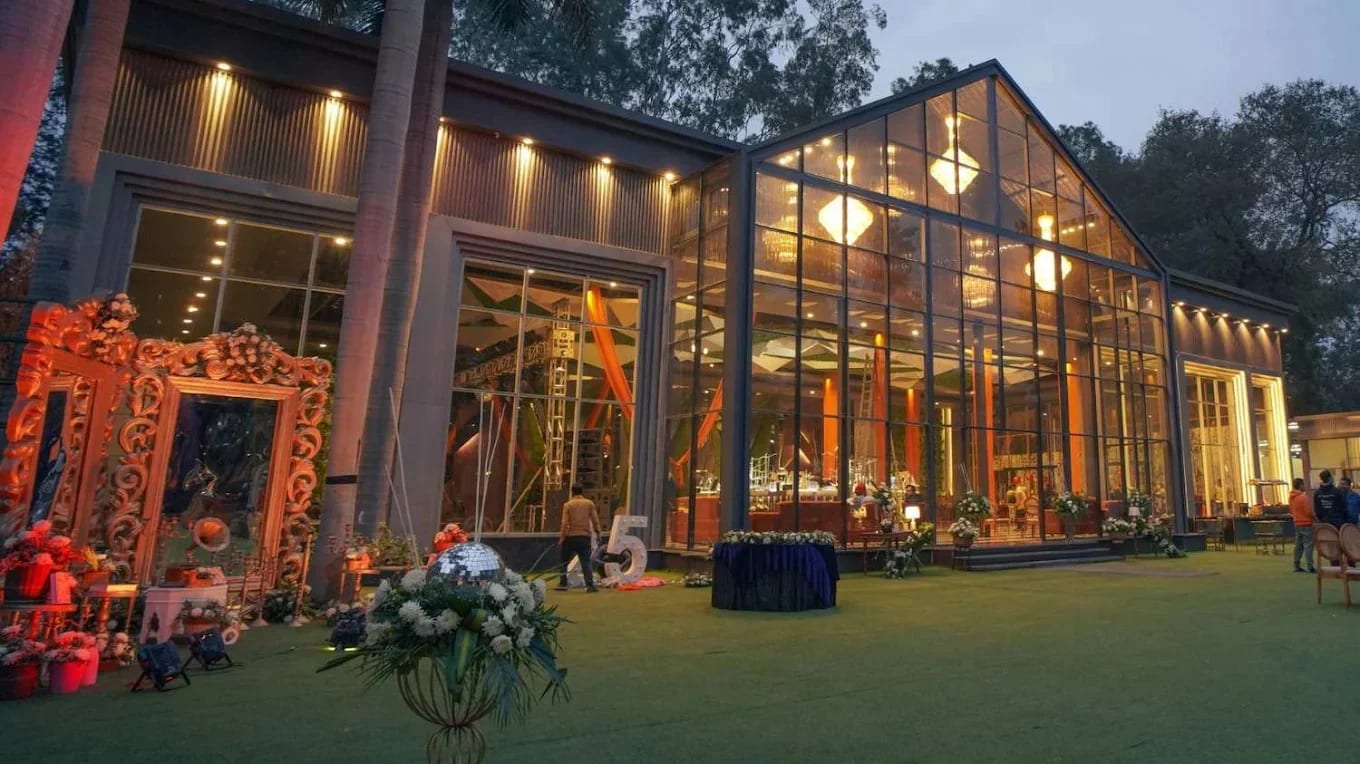
The Bijwasan-Dwarka corridor of South West Delhi represents a fascinating blend of ancient heritage and modern urban development. While guests at Tivoli Bijwasan enjoy world-class hospitality, the surrounding area offers a window into Delhi's rich cultural tapestry — from centuries-old villages and spiritual sites to contemporary art scenes and culinary traditions.
Historical Context
The Legacy of Bijwasan
Bijwasan village traces its origins to the pre-Mughal era, with archaeological evidence suggesting settlements dating back several centuries. The area was traditionally an agricultural community that evolved alongside Delhi's expansion. Today, the village retains elements of its rural character even as the broader region transforms into a modern urban center.
Dwarka's Modern Heritage
Dwarka, one of Asia's largest residential complexes, was developed in the 1990s and has become a vibrant cultural hub. Named after the mythological city of Lord Krishna, it blends traditional Indian values with contemporary urban planning.
Spiritual & Religious Sites
Dwarka Sector 10 Temple
The iconic ISKCON Temple in Dwarka Sector 10 is one of the largest Hindu temples in Delhi. Its stunning architecture, daily aarti ceremonies, and spiritual programs attract devotees and tourists alike. The temple complex includes a museum, gardens, and prasad hall.
- Distance: 6 km from Tivoli Bijwasan
- Timings: 4:30 AM - 9:00 PM
- Best For: Spiritual seekers, architecture enthusiasts, cultural photography
Bijwasan Village Temples
Several small temples in Bijwasan village offer glimpses into local religious practices. These modest shrines, often dedicated to local deities, showcase traditional worship patterns that have continued for generations.
Gurudwara Sahib, Dwarka
The Sikh gurudwaras in Dwarka provide peaceful spaces for meditation and community service. The langar (community kitchen) serves free meals to all visitors, embodying the Sikh principle of equality.
Fateh Masjid Area
Historic mosques in the Bijwasan vicinity reflect the area's Muslim heritage, with Friday prayers drawing the local community together.
Traditional Crafts & Artisans
Pottery & Terracotta
The villages around Bijwasan have traditionally been home to potter communities. While modernization has reduced this practice, you can still find families creating traditional clay pots, diyas, and decorative items, especially during festival seasons.
Textile Heritage
Delhi's textile traditions are accessible through various markets in the area. From traditional handloom sarees to embroidered fabrics, the regional craftsmanship is evident in local shops and markets.
Metal Work
Brass and copper utensil makers continue their craft in nearby areas, producing traditional cooking vessels and decorative items that are both functional and artistic.
Local Festivals & Celebrations
Diwali (October/November)
The festival of lights transforms the entire region. Markets overflow with diyas, sweets, and decorations. The ISKCON temple hosts spectacular celebrations with fireworks and cultural programs.
Holi (March)
Spring brings Holi, celebrated with colors, music, and traditional foods. Local communities organize gatherings with folk music and dance.
Navratri & Durga Puja (September/October)
Nine nights of garba and dandiya celebrations, especially vibrant in Dwarka's numerous community centers and temple grounds.
Local Melas (Fairs)
Seasonal fairs near Bijwasan feature handicrafts, street food, and entertainment, offering authentic cultural immersion.
Culinary Culture
Traditional Delhi Cuisine
The region's food culture reflects Old Delhi's culinary heritage with local interpretations:
- Chole Bhature: The quintessential Delhi breakfast available at numerous local eateries
- Paranthas: Stuffed flatbreads served with curd and pickle — a breakfast staple
- Chaat: Street food delicacies including golgappa, papdi chaat, and dahi bhalla
- Kebabs & Tikkas: Mughlai influences in grilled meats and tandoori preparations
- Sweets: Jalebis, rabri, and seasonal specialties like malpua
Local Food Markets
Dwarka's sector markets offer authentic street food experiences. Sector 7, Sector 11, and Sector 6 markets are particularly known for their food stalls and local restaurants.
Agricultural Heritage
The farming traditions of villages like Bijwasan have influenced the region's food culture, with seasonal vegetables and dairy products forming the foundation of local cuisine.
Music & Performing Arts
Folk Music Traditions
The villages around Bijwasan preserve folk music traditions, including wedding songs (shaadi geet), seasonal folk music, and devotional music (bhajans). During wedding season, you may hear traditional dhol and shehnai performances.
Classical Arts
Dwarka hosts numerous music academies teaching classical Indian music — both Hindustani and Carnatic traditions. Cultural programs at community centers and temples regularly feature classical performances.
Contemporary Arts Scene
Dwarka's growing art scene includes galleries, exhibition spaces, and open-air art installations. The India Habitat Centre (accessible via metro) offers regular cultural programming.
Experiencing Local Culture from Tivoli Bijwasan
Our concierge team can arrange guided cultural experiences including:
- Heritage walks through Bijwasan village
- Temple and spiritual site visits
- Cooking classes featuring local cuisine
- Market tours with local guides
- Festival participation arrangements
For more local insights, see our complete guide to Bijwasan & surrounding areas.
“We took a heritage walk through Bijwasan village during our stay at Tivoli. The contrast between the traditional village life and the modern hotel was fascinating. Our guide showed us ancient temples, introduced us to local artisans, and we enjoyed authentic Delhi street food. An unforgettable cultural experience.
Frequently Asked Questions
Complete Guide to Bijwasan & Local Area
Top Attractions Near Tivoli Bijwasan
Souvenirs & Handicrafts Near Bijwasan
Delhi Wedding Culture & Traditions
Ready to make your celebration unforgettable?
Experience Local Culture from Tivoli Bijwasan