Wedding muhurat dates in 2026 are one of the most searched topics for families planning a marriage in Delhi and across North India. Choosing an auspicious date — a shubh muhurat — is not merely tradition; it is the foundation on which every other wedding decision rests. The venue, the caterer, the decorator, the photographer — all are booked against a confirmed muhurat date. Without it, nothing else can move forward.
In 2026, Delhi's wedding calendar is shaped by several key astrological windows. The early months — January through mid-February — offer a strong cluster of muhurat dates before the Holashtak period. Then, after Holi, a second window opens through April and May, anchored by the auspicious Akshaya Tritiya. The summer months are largely avoided due to Chaturmas (the Dev Shayani period), and the calendar truly reopens in November — the most coveted month for North Indian weddings — continuing through December.
This guide gives families and couples a clear, month-by-month view of all major auspicious wedding muhurat dates in 2026, explains the astrological logic behind each window, and offers practical advice on matching your chosen date with venue availability across Delhi NCR. Since peak muhurat dates at Tivoli Hospitality Group properties book 12 to 18 months in advance, understanding this calendar early is the single most important step in wedding planning.
Use this guide alongside our Delhi NCR wedding venue pricing guide and our complete venue comparison to plan your celebration with full confidence.

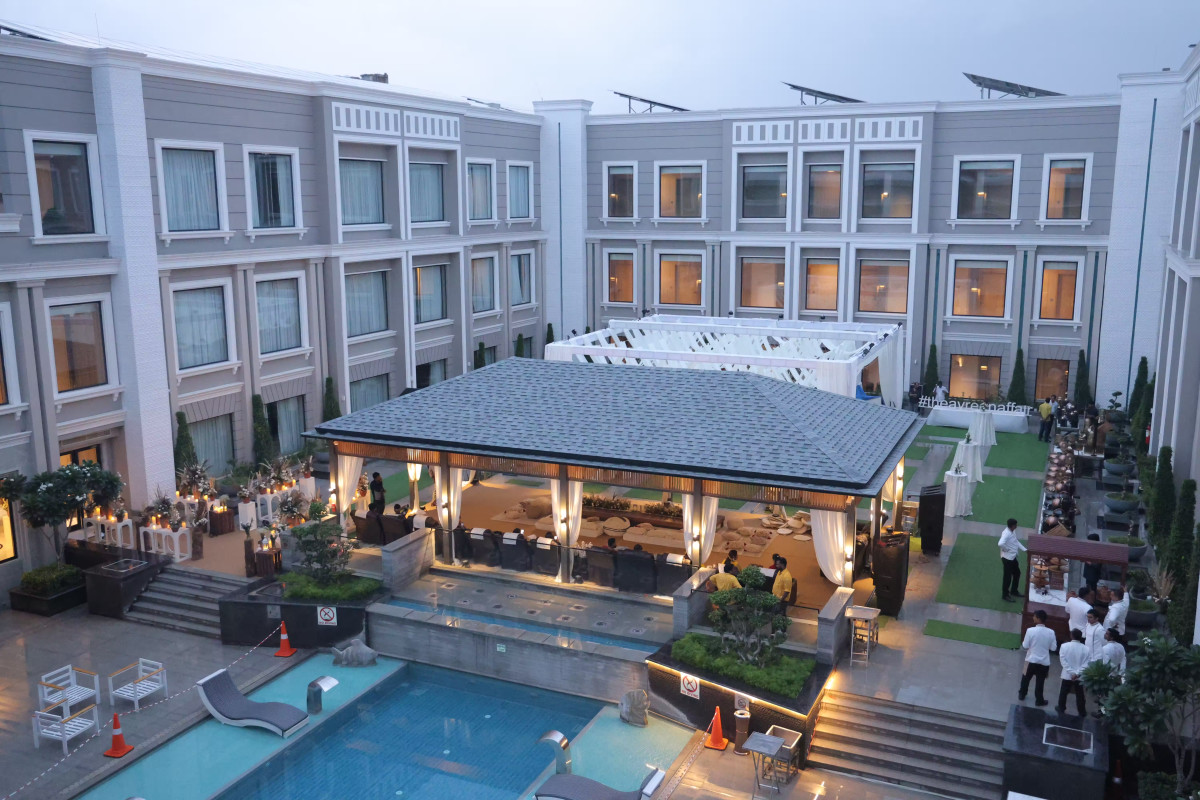
A grand wedding celebration at The Tivoli, New Delhi — peak muhurat dates in November and December fill venues like this 12–18 months in advance
What Is a Wedding Muhurat?
A wedding muhurat (also spelled muhurta) is an auspicious time window for performing the marriage ceremony, determined by Hindu astrology. It is calculated using the Panchang — the traditional Hindu almanac — which maps the movement of the sun, moon, and planets against the lunar calendar. A good muhurat aligns a favourable tithi (lunar day), nakshatra (star constellation), vara (weekday), yoga (auspicious combination), and karana (half-day) to create a window believed to bless the union with prosperity, harmony, and longevity.
Why Muhurat Dates Matter for Venue Booking
In Delhi NCR, the practical consequence of muhurat dates is dramatic. On any given auspicious date in November or December, thousands of weddings take place simultaneously across the city. Premium wedding venues like those in the Tivoli Hospitality Group receive hundreds of enquiries for the same dates. A family that waits until six months before a November muhurat will almost certainly find their preferred venue fully booked. The muhurat calendar, in effect, creates a finite supply problem — and the families who understand this book earliest.
Inauspicious Periods to Avoid
- Holashtak (2026: 23 February – 2 March): The eight days before Holi are considered inauspicious for marriages. No weddings during this period.
- Chaturmas / Dev Shayani Period (2026: approximately 1 July – 25 October): The four-month period after Dev Shayani Ekadashi when Lord Vishnu is said to rest. Most North Indian Hindu families avoid marriages during this window.
- Pitru Paksha (2026: approximately 8–22 September): A 16-day lunar period devoted to ancestor rites — no auspicious ceremonies.
- Grahan (Solar/Lunar Eclipse) days: Any eclipse days are excluded from muhurat windows.
2026 Hindu Wedding Muhurat Calendar — Month by Month
The following calendar covers all major auspicious wedding muhurat windows for 2026. Individual families should verify precise muhurat timings with their pandit, but this overview gives you the full picture of when booking pressure on venues will be highest.
2026 Hindu Wedding Muhurat Dates — North India (Verify precise timings with your family pandit)
| Month | Auspicious Date Range / Key Dates | Approx. Muhurat Count | Season | Venue Availability Pressure |
|---|---|---|---|---|
| January 2026 | Jan 14–15 (post Makar Sankranti), Jan 17–23, Jan 26–31 | ~18 dates | Winter peak | Very High — book 14+ months ahead |
| February 2026 | Feb 1–10, Feb 12–16, Feb 18–22 (before Holashtak Feb 23) | ~14 dates | Winter peak | High — book 12+ months ahead |
| March 2026 | Mar 4–7 (post Holi), Mar 9–12, Mar 17–22 | ~12 dates | Spring | Moderate |
| April 2026 | Apr 14–18, Apr 22–27, Apr 29 (Akshaya Tritiya — highly auspicious) | ~12 dates | Spring | High (Akshaya Tritiya) |
| May 2026 | May 1–8, May 12–20, May 25–28 | ~18 dates | Pre-summer | Moderate |
| June 2026 | Jun 1–5, Jun 10–15 (before Dev Shayani ~Jul 1) | ~9 dates | Early summer | Low |
| July–October 2026 | Limited / Chaturmas — most families avoid | Few to none | Chaturmas | Very Low |
| November 2026 | Nov 2–6 (post Dev Uthani), Nov 9–14, Nov 18–25, Nov 27–30 | ~20 dates | Winter peak | Extremely High — book 15–18 months ahead |
| December 2026 | Dec 1–8, Dec 10–15, Dec 18–22, Dec 25–28 | ~18 dates | Winter peak | Very High — book 12+ months ahead |
Peak vs Off-Peak Muhurat Seasons in Delhi
Peak Season: November–February (Winter Weddings)
Delhi's winter wedding season is the most coveted period across North India. Temperatures between 12°C and 24°C make outdoor ceremonies, open-air sangeets, and garden receptions genuinely pleasant. November stands out as the single most popular month — it combines auspicious muhurat dates with ideal weather and the festive spirit that follows Diwali. In Delhi's best wedding venues, November weekends are fully committed before the calendar year even begins.
January and February follow closely. Many families prefer a winter wedding that does not compete with the Diwali season, and January's long list of muhurat dates makes it an excellent alternative. February, though shorter, offers strong muhurat windows before Holashtak closes the calendar.
Akshaya Tritiya: The Self-Auspicious Date
In 2026, Akshaya Tritiya falls on 29 April. This date is considered so auspicious that no muhurat calculation is required — the day itself is believed to bless any wedding held on it. It is the only date in the Hindu calendar that carries this distinction. Venues in Delhi NCR see exceptional demand on this single date, and bookings typically close well over a year in advance.
Off-Peak: July–October (Chaturmas)
The four-month Chaturmas window is the natural off-season for Delhi weddings. Families who do choose this period often find significantly better venue availability and negotiating power on rates. While traditionally avoided for religious ceremonies, some families hold court marriages or registered civil weddings during this period. Venue costs can be 20–30% lower during off-peak months.
Winter muhurat season creates extraordinary wedding settings at Tivoli's outdoor venues across Delhi NCR
How to Match Your Muhurat Date with Venue Availability
Step 1: Confirm Your Muhurat Window
Before contacting any venue, ask your family pandit to give you a shortlist of three to five muhurat dates that work for your couple's kundli. Have first, second, and third choices ready. This is critical — venues cannot hold dates speculatively, and having alternatives allows you to move quickly if your first choice is booked.
Step 2: Start Venue Conversations Early
For any November or December 2026 muhurat date, begin venue conversations no later than January 2026 — earlier if possible. For January and February 2026 dates, the window has already narrowed significantly as of early 2026. For 2027 weddings, starting in early 2026 is appropriate.
Step 3: Understand Peak-Day Premiums
Wedding venues in Delhi apply surcharges on high-demand muhurat dates, particularly in November and on Akshaya Tritiya. These premiums typically range from 10–25% above standard rates. Budget for this when comparing across venues.
Step 4: Book with a Token Before Finalising Details
Once you have verbal confirmation of availability, place a token deposit immediately to block the date. Detailed negotiations on menus, decor, and packages can follow — but losing a November muhurat date while deliberating is a common and painful mistake.
Which Tivoli Properties Are Best for Peak Muhurat Seasons
Across Tivoli Hospitality Group's 13 properties in Delhi NCR and North India, different venues are best suited to different muhurat season needs. Here is how to think about each property in the context of the 2026 wedding calendar.
For Large November Muhurat Weddings (500+ Guests)
The Tivoli, New Delhi (Chattarpur) — With capacity for up to 2,000 guests, 130 guest rooms, and four grand banquet halls, The Tivoli is the premier choice for large families celebrating in November. Its on-site accommodation means outstation relatives can stay in the same property, eliminating the November hotel room scramble.
Omnia Convention by Tivoli, Gurugram — 16,000 sq ft air-conditioned halls and two 14,000 sq ft lawns make this ideal for grand winter receptions. Gurugram's infrastructure handles the influx of November wedding guests well.
For Akshaya Tritiya (April 29, 2026)
Tivoli Bijwasan — The 20,000 sq ft outdoor marquee is perfect for a spring Akshaya Tritiya celebration. Temperatures in late April are warm but manageable, and the marquee provides shade and structure.
Upper HSE by Tivoli, Sultanpur — The 30,000 sq ft garden is spectacular for an Akshaya Tritiya morning ceremony.
For Winter Outdoor Ceremonies (Jan–Feb)
January and February nights in Delhi drop to 8–12°C. Choose venues with both outdoor lawns and enclosed indoor backup spaces. Tivoli Heritage Palace, Rewari and Wedcation by Tivoli, Ambala both offer this combination — along with on-site accommodation for guests who cannot travel back in the cold.
A winter wedding at Wedcation by Tivoli, Ambala — ideal for January–February muhurat dates with on-site rooms, garden lawns, and a full destination wedding experience
Tivoli Properties Mapped to 2026 Muhurat Season Suitability
| Venue | Best Muhurat Season | Max Capacity | On-site Rooms | Outdoor Space |
|---|---|---|---|---|
| The Tivoli, New Delhi | November–December, January | 2,000+ | 130 rooms | Pool lawns, garden |
| Omnia Convention, Gurugram | November–February | 2,500+ | 38 rooms | Two 14,000 sq ft lawns |
| Tivoli Heritage Palace, Rewari | November–February, Akshaya Tritiya | 1,800 | 90 rooms | Heritage gardens, poolside |
| Wedcation by Tivoli, Ambala | November–February | 2,000 | 40 rooms | Garden, poolside |
| Tivoli Bijwasan | Akshaya Tritiya, March–May | 1,000 | 50 rooms | 20,000 sq ft marquee lawn |
| Upper HSE, Sultanpur | Akshaya Tritiya, November | 1,000 | No on-site | 30,000 sq ft garden |
| Tivoli Royal Palace, Faridabad | November–February | 2,500 | 45 rooms | Glass house, poolside |
Booking Timeline: When to Confirm Your 2026 Muhurat Venue
The single most common mistake Delhi families make is treating venue booking as a step that follows muhurat confirmation. In reality, at top-tier venues, you must move almost simultaneously. Here is a realistic timeline.
- 18+ months before: Lock muhurat options with your pandit. Approach two or three venues with your dates.
- 15–18 months before: Pay a token deposit at your chosen venue to block the muhurat date. Do this before finalising any other vendor.
- 12 months before: Finalise the menu, decor style, and room block. Sign the main contract.
- 6–9 months before: Book your photographer, decorator, and caterer (if external) — all referencing your confirmed venue date.
- 3 months before: Confirm guest count for final catering numbers. Finalize room allocation for out-of-town guests.
For families planning a 2027 wedding, 2026 is the right time to act. Our wedding enquiry team is available year-round to check availability and walk you through every venue's muhurat-specific policies.
Understanding Key Astrological Terms in the Muhurat Calendar
When your pandit discusses muhurat dates, they will use specific terms from the Hindu Panchang. Understanding these helps you evaluate their recommendations.
- Tithi: The lunar day, based on the angular distance between the sun and moon. Certain tithis — like Panchami (5th), Saptami (7th), Dashami (10th), Ekadashi (11th), and Trayodashi (13th) — are generally considered auspicious for marriage.
- Nakshatra: The constellation the moon occupies on a given day. Rohini, Mrigashira, Magha, Uttara Phalguni, Hasta, Swati, Anuradha, Mula, Uttarashada, Uttarabhadra, and Revati are the nakshatras considered favourable for weddings.
- Vara: The day of the week. Monday, Wednesday, Thursday, and Friday are generally auspicious for weddings. Tuesday and Saturday are typically avoided.
- Yoga: The 27 yogas are calculated from the combined position of the sun and moon. Auspicious yogas include Siddha, Amrita, Shubha, and Brahma.
- Dev Uthani Ekadashi: The day Lord Vishnu awakens from his four-month rest (Chaturmas), typically in early November. In 2026, this falls in late October or early November, opening the peak winter wedding season.
Plan Your 2026 Wedding with Tivoli Hospitality Group
With 13 properties across Delhi, Gurugram, Noida, Greater Noida, Faridabad, Rewari, and Ambala, Tivoli Hospitality Group offers a venue for every muhurat date and every guest count — from intimate 100-guest celebrations at Tivoli by Midori to grand 2,500-guest weddings at Omnia Convention Gurugram.
Our dedicated wedding planning team can check availability for your specific muhurat dates, walk you through what each property offers, and help you understand pricing, inclusions, and policies before you commit. Explore our detailed guides on November 2026 auspicious marriage dates, outdoor winter wedding venues in Delhi, and our complete Delhi NCR wedding venue pricing guide to plan every aspect of your celebration.
Visit our wedding venues page to explore properties by location, or contact our events team to begin the conversation about your 2026 muhurat date today.
Continue Planning Your 2026 Wedding
November 2026 muhurat dates in detail
best outdoor winter wedding venues in Delhi
complete wedding venue pricing guide
wedding planning timeline
best wedding venues in Delhi NCR
Ready to make your celebration unforgettable?
Check Venue Availability for Your Muhurat Date