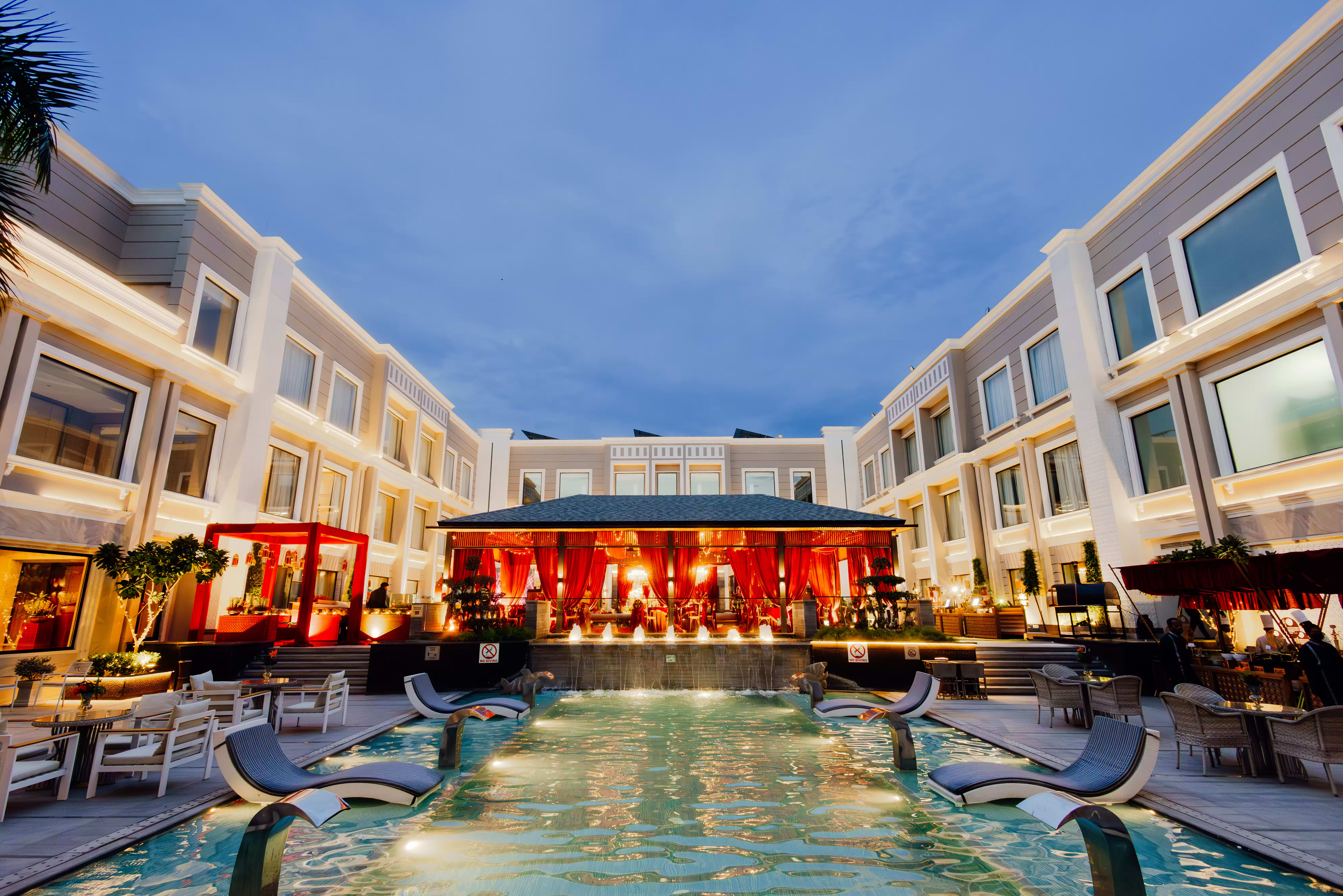
In Delhi, wedding food is not just sustenance – it is the defining memory of the celebration. Ask any guest about a wedding they attended, and within minutes the conversation turns to the food. Was the paneer makhani creamy enough? Did they have a live chaat counter? Was the bar stocked with good whiskey? In a city where food culture runs deep and wedding expectations run deeper, getting the catering right is not optional. It is the single factor that determines whether your wedding is remembered as "amazing" or "the one with bad food."
Delhi NCR wedding catering in 2026 has evolved into a sophisticated, multi-layered service that goes far beyond a standard buffet line. Today's wedding menus feature multi-cuisine spreads spanning 150 to 300 dishes, live cooking stations where chefs prepare dishes to order, molecular gastronomy dessert bars, craft cocktail programs with custom drink menus, and themed food villages that turn dining into an experience. The cost, naturally, varies enormously, from Rs 1,500 per plate for a respectable vegetarian spread to Rs 8,000 or more per plate for a luxury multi-cuisine extravaganza with an imported liquor bar.
This guide covers every aspect of wedding food and catering in Delhi NCR: menu types and how to choose between them, live counter options and what they cost, bar and beverage packages, dessert stations, the critical question of in-house versus external catering, and a detailed cost breakdown across Tivoli Hospitality Group properties. Whether you are planning a 200-guest intimate dinner or an 800-guest grand reception, this is your complete catering playbook.
Menu Types: Vegetarian, Non-Vegetarian & Multi-Cuisine
Pure Vegetarian Menus
Delhi's strong vegetarian tradition means that vegetarian wedding menus are not a compromise; they are a celebrated culinary category. A premium vegetarian spread at a Tivoli property includes 80 to 150 dishes across multiple cuisines, live cooking stations, and an elaborate dessert section. The typical vegetarian menu structure includes:
- Welcome drinks and mocktails: 3 to 5 varieties served at the entrance, including seasonal fresh juices, lemonade variations, and a signature mocktail
- Starters (15 to 25 items): Paneer tikka, hara bhara kebab, corn and cheese shots, stuffed mushrooms, crispy lotus stem, achari aloo, vegetable seekh kebab, tandoori broccoli, and seasonal specials
- Main course (20 to 40 items): Dal makhani, paneer butter masala, malai kofta, navratan korma, stuffed capsicum, vegetable biryani, jeera rice, assorted rotis and naan, alongside Continental options like pasta, risotto, and Mexican wraps
- Live counters (4 to 8 stations): Chaat counter, dosa station, pasta and pizza counter, tandoor counter, and Chinese wok station
- Desserts (15 to 30 items): Gulab jamun, ras malai, jalebi, ice cream station, pastry counter, kulfi, phirni, and a chocolate fountain
Per-plate cost for a premium vegetarian menu: Rs 2,000 to Rs 3,500 at Tivoli properties, depending on the venue and number of live counters.
Non-Vegetarian Menus
Non-vegetarian wedding menus in Delhi NCR add an entirely new dimension of flavour and culinary theatre. The tandoor, with its smoky fragrance, becomes the centrepiece of the dining experience. A non-vegetarian menu at a Tivoli property adds the following to the vegetarian base:
- Starters: Chicken tikka, mutton seekh kebab, tangdi kebab, fish tikka, malai chicken, reshmi kebab, achari murgh, and in some menus, prawn and crab preparations
- Main course: Butter chicken, mutton rogan josh, chicken biryani, fish curry, keema matar, alongside the full vegetarian selection
- Live counters: Tandoor station with live kebab grilling, shawarma counter, seafood grill, and a biryani handi station where biryani is served from copper handis with ceremonial unsealing
Per-plate cost for a non-vegetarian menu: Rs 2,500 to Rs 4,500 at Tivoli properties. The premium over vegetarian is typically Rs 500 to Rs 1,000 per plate, driven primarily by the cost of meat, poultry, and seafood.
Multi-Cuisine Menus
The multi-cuisine format is the standard for premium weddings in Delhi NCR. It combines North Indian, South Indian, Chinese, Continental, Mexican, Italian, and Thai cuisines into a single spread, giving guests the choice to eat within their comfort zone or explore new flavours. A multi-cuisine menu at a top-tier Tivoli venue like The Tivoli New Delhi can feature 200 to 300 individual dishes across all counters, live stations, and buffet lines.
The key to a successful multi-cuisine menu is curation, not volume. Having 300 dishes where every item is well-prepared is impossible. The best approach is to have 80 to 120 dishes executed to a high standard, with 6 to 8 live counters that deliver freshly prepared items throughout the evening. Quality over quantity is the mantra of experienced wedding caterers, and the best Tivoli chefs will guide you toward a menu that impresses through excellence rather than excess.
Live Counters: The Heart of Modern Wedding Catering
Live counters have transformed from a premium add-on into an essential component of Delhi wedding catering. Guests expect them, photographers love them, and they deliver a freshness and theatre that buffet lines cannot match. Here are the most popular live counter options at Tivoli properties:
Essential Live Counters (Included in Most Packages)
- Chaat counter: Golgappe, papdi chaat, aloo tikki, dahi bhalla, and basket chaat prepared to order. This is the most universally loved counter and often the longest queue at any Delhi wedding. Cost if added separately: Rs 15,000 to Rs 25,000
- Tandoor counter: Fresh naan, kulcha, and tandoori starters prepared in a live tandoor. The visual drama of the clay oven and the aroma of fresh bread elevate the entire dining experience. Cost: Rs 20,000 to Rs 35,000
- Pasta and pizza station: Fresh pasta cooked to order with choice of sauces, and individual pizzas from a portable oven. This counter appeals particularly to younger guests and children. Cost: Rs 18,000 to Rs 30,000
- Dosa station: Paper dosa, masala dosa, cheese dosa, and variations prepared on a large griddle. A South Indian counter adds regional diversity to the menu. Cost: Rs 12,000 to Rs 22,000
Premium Live Counters (Add-On Options)
- Sushi and Japanese counter: Vegetarian and seafood sushi rolls, edamame, miso soup, and tempura. This counter adds an international dimension and photographs beautifully. Cost: Rs 35,000 to Rs 60,000
- Shawarma and Mediterranean station: Lamb and chicken shawarma carved from a rotating spit, hummus, falafel, and pita bread. Cost: Rs 25,000 to Rs 45,000
- Dim sum and Asian wok: Steamed and fried dim sum, stir-fried noodles and rice prepared in a large wok with theatrical tossing. Cost: Rs 25,000 to Rs 40,000
- Molecular gastronomy dessert station: Liquid nitrogen ice cream, spherified fruit, edible cocktails, and deconstructed classics. This is the trending "wow factor" counter for 2026 weddings. Cost: Rs 40,000 to Rs 75,000
- Biryani handi station: Biryani cooked in sealed copper handis and ceremonially opened at the counter. Guests choose from chicken, mutton, and vegetable biryani. The aromatic reveal when the handi is unsealed is a signature Delhi wedding moment. Cost: Rs 30,000 to Rs 50,000
Bar and Beverage Packages
Alcohol service at Delhi NCR weddings operates through structured bar packages offered by the venue. Understanding the tiers helps you match your bar to your guest profile and budget.
Domestic Bar Package
The domestic bar includes Indian-manufactured spirits: Indian whiskey (Blenders Pride, Royal Stag), Indian vodka, Indian rum, Indian gin, domestic beer, and basic cocktails. Soft drinks and mixers are included. This package is appropriate for celebrations where alcohol is secondary to the food and entertainment. Per-person cost: Rs 800 to Rs 1,200 at Tivoli properties.
Premium Bar Package
The premium bar upgrades to imported brands across all spirit categories: Johnnie Walker Black Label or equivalent whiskey, Absolut or Grey Goose vodka, Tanqueray or Hendrick's gin, Bacardi or Havana Club rum, imported beer, and a selection of red and white wines. Cocktail options expand to include classic cocktails prepared by trained bartenders. Per-person cost: Rs 1,500 to Rs 3,000.
Ultra-Premium Bar Package
The ultra-premium bar features top-shelf international brands: Johnnie Walker Gold or Blue Label, Belvedere or Grey Goose, premium single malts, champagne, premium wines, and a full craft cocktail programme with a dedicated mixologist who creates custom cocktails themed to the wedding. This package often includes a signature cocktail counter, a whiskey and cognac lounge, and a champagne tower. Per-person cost: Rs 3,500 to Rs 5,000+.
Non-Alcoholic and Mocktail Packages
For families preferring a dry celebration, the non-alcoholic beverage programme has become increasingly sophisticated. Fresh juice bars with cold-pressed options, artisanal mocktail stations with botanical infusions, specialty tea and coffee counters with pour-over and cold brew options, and flavoured lassi and chaas stations provide a complete beverage experience without alcohol. Per-person cost: Rs 300 to Rs 600.
Wedding catering pricing across all Tivoli properties – 2026 rates. Prices vary by season, day of week, and menu customisation. Inclusive of service, crockery, and basic setup.
| Tivoli Venue | Veg Per Plate | Non-Veg Per Plate | Domestic Bar (per person) | Premium Bar (per person) | Guest Capacity |
|---|---|---|---|---|---|
| The Tivoli New Delhi | ₹2,500–3,500 | ₹3,000–4,500 | ₹900–1,200 | ₹1,800–3,000 | Up to 2,000+ |
| Omnia Convention Gurugram | ₹2,200–3,000 | ₹2,800–4,000 | ₹800–1,200 | ₹1,500–2,800 | Up to 5,000 |
| Tivoli Royal Palace | ₹2,000–2,800 | ₹2,500–3,500 | ₹800–1,100 | ₹1,500–2,500 | Up to 1,500 |
| Tivoli Royal Court | ₹2,200–3,000 | ₹2,800–3,800 | ₹800–1,200 | ₹1,500–2,800 | Up to 1,000 |
| Omnia by Tivoli Dwarka | ₹2,200–3,000 | ₹2,800–3,800 | ₹800–1,200 | ₹1,500–2,800 | Up to 1,500 |
| Tivoli Bijwasan | ₹2,000–2,800 | ₹2,500–3,500 | ₹800–1,100 | ₹1,400–2,500 | Up to 1,200 |
| Tivoli Lotus Court, Noida | ₹2,000–2,800 | ₹2,500–3,500 | ₹800–1,100 | ₹1,400–2,500 | Up to 1,200 |
| Upper HSE Sultanpur | ₹2,500–3,200 | ₹3,000–4,000 | ₹900–1,200 | ₹1,800–3,000 | Up to 500 |
| Tivoli Heritage Palace | ₹2,200–3,200 | ₹2,800–4,000 | Package-based | Package-based | Up to 1,500 |
| Wedcation Ambala | ₹2,000–2,500 | ₹2,500–3,200 | ₹800–1,000 | ₹1,400–2,200 | Up to 800 |
The In-House Catering Advantage at Tivoli Properties
One of the most significant decisions in wedding catering is whether to use the venue's in-house kitchen or bring in an external caterer. At Tivoli Hospitality Group properties, in-house catering is the default and recommended option, and for good reason. Understanding the advantages helps you make an informed choice.
Quality Control and Consistency
Tivoli's in-house kitchen teams prepare food for hundreds of events every year at the same venue. They know the exact capacity of their kitchen, the optimal timing for each dish, and the logistics of serving 500 or 1,000 guests without quality degradation. An external caterer working at an unfamiliar venue faces setup challenges, kitchen adaptation time, and logistical unknowns that can affect food quality. At The Tivoli New Delhi, the in-house kitchen team handles up to 2,000 guests across the 82,500 sqft venue with dedicated cooking stations, cold storage, and a prep schedule refined over thousands of events.
Hygiene and FSSAI Compliance
In-house kitchens at Tivoli properties operate under FSSAI (Food Safety and Standards Authority of India) licensing and undergo regular health inspections. The kitchen infrastructure includes proper cold storage, pest control, water purification, and waste management systems. External caterers working from temporary setups cannot match this level of hygiene infrastructure, especially for large-scale events where food is being prepared and held for extended service windows.
Cost Efficiency
In-house catering eliminates several hidden costs associated with external caterers: no transportation charges for bringing equipment and food to the venue, no setup charges for temporary kitchen installations, no corkage fees (which some venues charge when external caterers bring their own supplies), and no coordination overhead for managing a separate catering team alongside the venue team. The per-plate rate at a Tivoli property is truly all-inclusive: food, service staff, crockery, glassware, basic table setup, and cleanup.
Menu Customisation and Tastings
Every Tivoli property offers pre-wedding menu tasting sessions where the couple and family can sample and customise the menu. The head chef walks through each dish, discusses seasonal ingredient availability, accommodates dietary restrictions (Jain, gluten-free, vegan, nut-free), and suggests pairings. This collaborative process ensures the final menu reflects the family's preferences rather than a standardised template. Tastings are typically scheduled 4 to 8 weeks before the wedding and are complimentary with venue booking.
When External Catering Makes Sense
There are specific scenarios where an external caterer may be preferred: when the family has a long-standing relationship with a specific caterer whose food they trust implicitly, when the wedding requires a hyper-specialised cuisine that the in-house kitchen does not offer (such as a dedicated Korean or Japanese menu), or when the family's community tradition requires specific preparation methods (such as halal certification or particular regional cuisines). In these cases, most Tivoli properties accommodate external caterers with kitchen access and coordination support, though a venue catering minimum may still apply.
Dessert Stations and Sweet Course Design
The dessert section of a Delhi wedding has evolved from a few gulab jamun trays at the end of the buffet into a standalone experience zone that guests visit multiple times during the evening. Here are the trending dessert formats for 2026:
The Indian Mithai Station
A dedicated counter featuring 15 to 25 varieties of Indian sweets: gulab jamun, ras malai, jalebi (served hot from a live station), motichoor ladoo, kaju katli, soan papdi, rabri, kheer in individual kulhads, and seasonal specials like gajar ka halwa in winter or mango-based desserts in summer. The mithai station is non-negotiable at any Delhi wedding and typically costs Rs 15,000 to Rs 30,000 as an add-on if not included in the base package.
The Ice Cream and Kulfi Bar
Live ice cream stations with premium flavours, kulfi in traditional matka pots, gelato counters, and the dramatic liquid nitrogen ice cream station that produces frozen desserts on demand in clouds of vapor. Cost: Rs 20,000 to Rs 50,000 depending on the variety and service duration.
The International Dessert Counter
Patisserie-style desserts including French macarons, Belgian chocolate truffles, tiramisu, creme brulee, churros with chocolate sauce, cheesecakes, and a cupcake or cake pop station. This counter appeals to younger guests and adds international flair. Cost: Rs 25,000 to Rs 60,000.
The Chocolate Fountain and Fondue
A multi-tier chocolate fountain with an assortment of fruits, marshmallows, and biscuits for dipping. This remains one of the most visually appealing and Instagram-friendly dessert installations. Cost: Rs 15,000 to Rs 30,000.
The Paan Counter
A traditional paan station with a professional paanwala preparing fresh meetha paan, gilori, and flavoured paan variations. This after-dinner digestive counter is a uniquely Indian touch that no Delhi wedding should miss. Cost: Rs 8,000 to Rs 18,000.
Catering Planning Timeline
Getting the food right requires structured planning well in advance of the wedding date. Here is the recommended timeline:
- 6 months before: Confirm venue and in-house catering. Discuss initial menu direction (vegetarian vs multi-cuisine, number of live counters, bar package tier). Lock in the per-plate rate and estimated guest count
- 4 months before: Finalise the menu structure. Decide on cuisine types, number of counters, and any specialty stations. Discuss dietary requirements for specific guests
- 8 weeks before: Schedule the tasting session. Bring key family decision-makers to taste and approve each element of the menu
- 4 weeks before: Finalise the guest count with the venue. Confirm bar package and beverage selections. Approve the final menu card
- 2 weeks before: Provide the final guest count (most venues allow a 10% variance window). Confirm any last-minute dietary additions or allergen requirements
- 1 week before: Final coordination call with the venue's F&B team. Confirm service timing, counter placement, and flow sequence for the evening
How to Choose the Right Catering Package
Selecting the right catering package comes down to understanding four factors:
1. Guest Profile. An older, traditional guest list will prioritise authentic North Indian cuisine, quality mithai, and a well-stocked chaat counter over sushi or molecular gastronomy. A younger, cosmopolitan guest list appreciates multi-cuisine variety and Instagram-worthy presentations. Most Delhi weddings have a mix, which is why the multi-cuisine format with strong North Indian anchors works universally.
2. Event Type. A reception dinner demands the full spread with maximum variety. A sangeet dinner can be slightly lighter since guests are focused on performances and dancing. A mehendi brunch is lighter still, with emphasis on snacks, live counters, and refreshing beverages rather than a heavy meal. Matching menu weight to the event type prevents food waste and improves guest experience.
3. Season. Winter weddings (November to February) call for hearty food: rich gravies, tandoori items, hot soups, gajar ka halwa, and warm beverages. Summer and monsoon weddings (March to September) benefit from lighter preparations, chilled soups, refreshing salads, cold desserts, and ample beverage stations. Tivoli chefs adjust seasonal menus automatically, but discussing this explicitly ensures the menu feels seasonally appropriate.
4. Budget Allocation. As a general rule, food and beverages consume 35 to 45 percent of the total wedding budget. If your total budget is Rs 50 lakhs, plan for Rs 17.5 to 22.5 lakhs for catering across all functions. Within the catering budget, allocate 55 to 60 percent for food, 25 to 30 percent for bar and beverages, and 10 to 15 percent for live counters and dessert additions.
Complete wedding planning guide with checklist and timeline for Delhi NCR
Manage your wedding guest list, seating and accommodation
Follow the month-by-month wedding planning timeline
Ready to make your celebration unforgettable?
Explore The Tivoli New Delhi for Your Dream Wedding